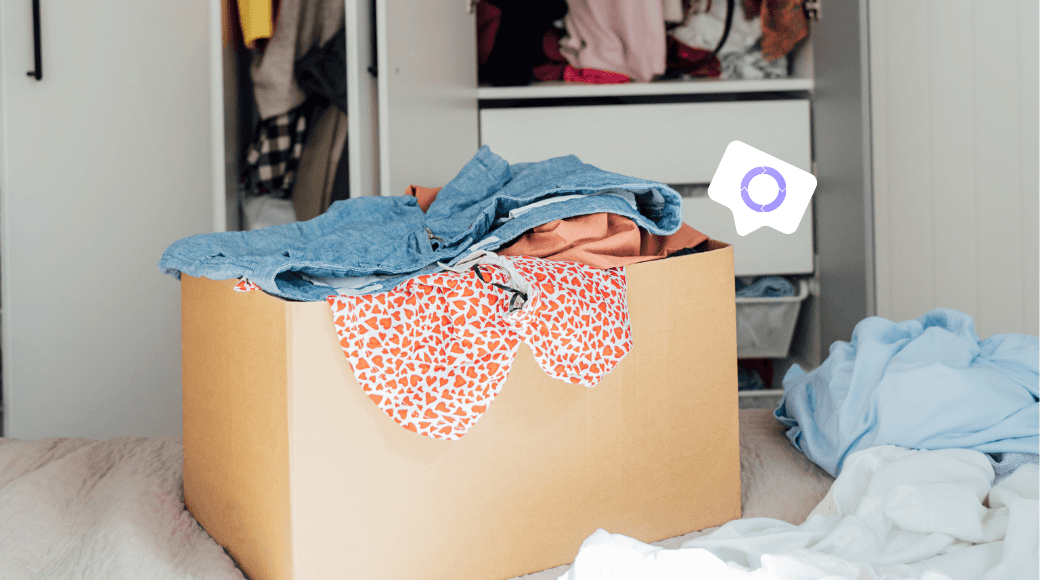
Moving inventory to the right owners faster creates less waste.
Up to 40% of garments produced each year, for example, are left unsold. In 2018, a luxury brand sparked outrage when their annual report revealed that it destroyed $36.8 million worth of merchandise. Burning, shredding, and landfilling are the most common methods of disposal.
Shopping is more accessible across online platforms than it ever has been before, with the production of new goods increasing to match higher demand. Keeping unsold inventory from piling up is a big lever for commerce sustainability.
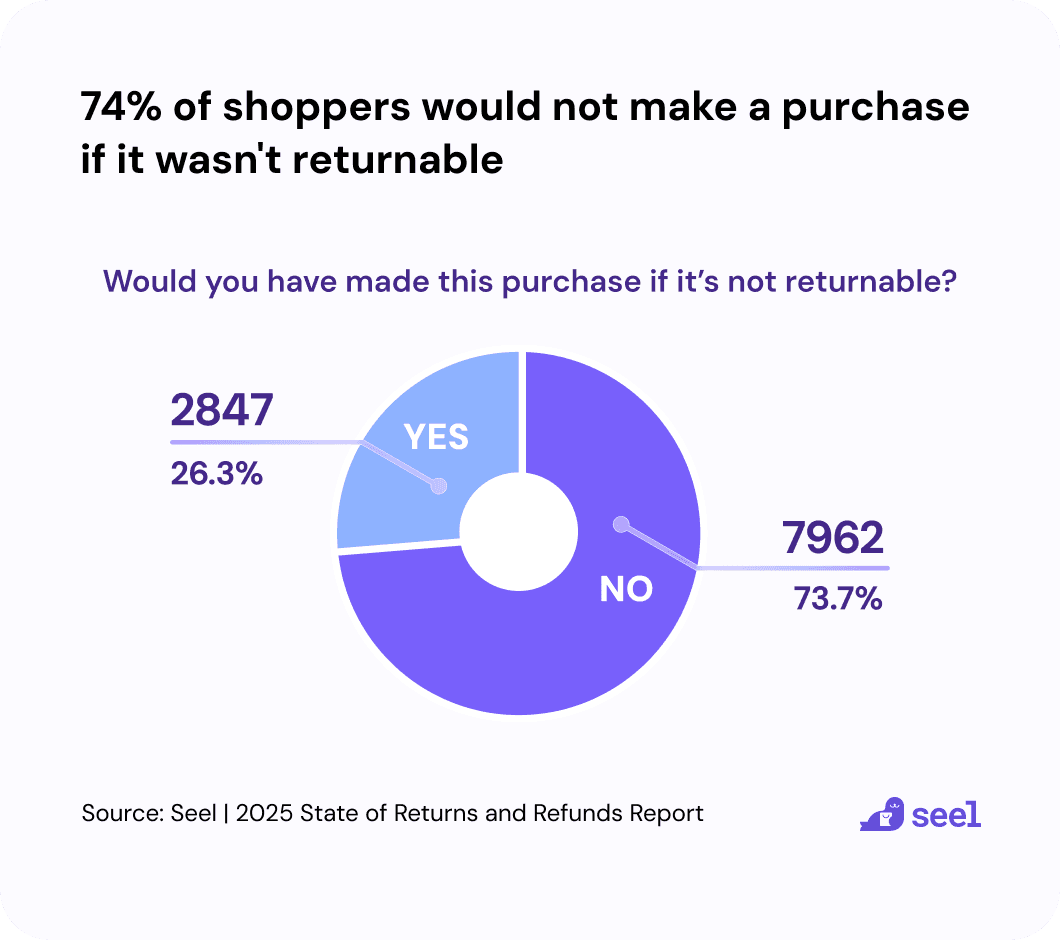
In an economy where affordability is top of mind for shoppers, derisking purchase decisions is one way merchants can keep items moving through the economy. Well-designed return policies unlock that movement — a Seel survey of 10,000 consumers found that 74% of them would not buy an item if it was hard to return.
Returns as circulation
Traditionally, the liability introduced by returns logistics forces retailers to opt for unsustainable practices like immediate liquidation or landfill disposals. 2.6 million tonnes of returned clothes ended up in landfills in the US because it cost companies too much money to do anything else.
But today, it’s possible for merchants to rely on return management processes that prioritize the recirculation of returned goods back into the economy, giving items a new pathway beyond simply being unsold or unused.
Working with a post-purchase partner like Seel to manage returns appropriately helps retailers work around operational constraints that make circulation hard to do.
Circulating returns refers to keeping returned goods in the market until they're actually worn out. But it requires return infrastructure that most retailers don't have. Without it, businesses are forced into simpler alternatives like:
Restrictive policies: Charge restocking fees, shorten return windows, or make items final sale to reduce return volume.
Cheap liquidation: Route returns to liquidators who prioritize speed over resale, sending inventory to landfills faster.
Selective restocking: Only accept pristine returns for resale, discard the rest.
Seel takes on the financial cost and operational burden of returns, including the work of building recirculation networks for returns goods brick by brick. For merchants, this means integrating into a post-purchase infrastructure that allows for generous, sustainable policies without risk. For shoppers, this means buying confidently knowing purchase items continue moving through the economy even if they don’t like it.
What does Seel do with returns?
Seel operates on the philosophy that returns should stay in the commercial economy, not exit it. Across our network, we work to minimize landfill impact and support a more sustainable returns ecosystem.
Each returned item is individually inspected and evaluated, then routed through resale partners like eBay or other responsible recovery pathways to extend product life and reduce waste.
How easy returns help secondhand marketplaces
Shopping secondhand is a great example of a circular economy lever held back by poor returns management.
If one-of-a-kind items purchased from resale marketplaces end up not being a good fit or aren’t being used, they end up in the trash and shoppers lose that purchase for good.
However, Seel unlocks returns for resale marketplaces so secondhand shoppers can return unfit items back to our partner network. We’ve seen evidence of easy returns increasing confidence in secondhand purchases during peak seasons.
Our recent analysis of holiday returns on our platform saw a spike in second-hand gifts being purchased during the holiday season. The share of shoppers adding a return option to their purchase tripled compared to the year prior.
Secondhand goods represents 9% of global apparel spending today. Turning that 9% into a much larger percentage of retail by removing purchase hesitation equals millions of items continuously finding new homes instead of becoming unsold or thrown away.
The opportunity for scale
The choice isn't between "returns to landfills" versus "no returns at all."
It's between stagnation — billions of items sitting unused because shoppers won't risk buying them — and circulation.
When shoppers know they can return an item if it doesn't fit, they click "buy" instead of browsing and leaving. When that item does get returned, it re-enters commerce through our circulation system. When it doesn't get returned, it finds the right owner on the first try.
Both outcomes prevent waste and scale circularity.
Circulation isn’t prioritized with unsold inventory, but at Seel we can make it a priority by making it a lot harder for shoppers to throw goods away.